We focus on bringing back Indigenous languages, ceremonies, cultures, traditions – all that was lost over the past 150 years. This is how we’ll generate hope – for all Canadian people.
–Perry Bellegarde
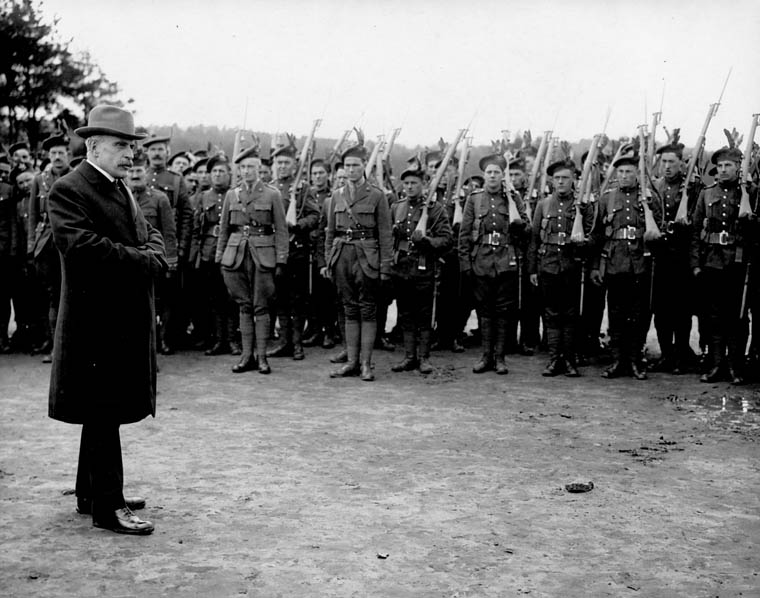
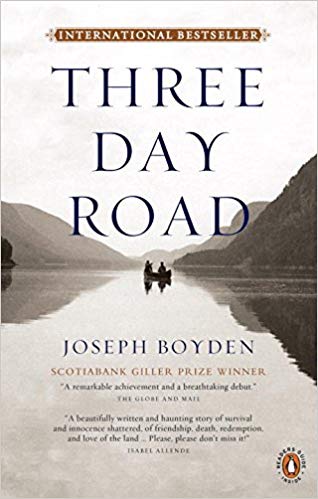
After reading the novel, I chose to conclude my analysis by reflecting on the postcolonial theory, and how it ties in with Three Day Road by Joseph Boyden.
I began my postcolonial theory based analysis with a thesis statement — Three Day Road by Joseph Boyden documents the colonial oppression of Indigenous peoples through the development of character Elijah Whiskeyjack and his experience of being pressured into becoming a different person, brought forth by the trauma of residential schools and the mistreatment of first nation’s people in the military during the First World War.

Incorporating other writing and media texts, I based my final analysis on the oppression of the Indigenous peoples. I have created a remix, a podcast, a concept/mind map, and a blog post.
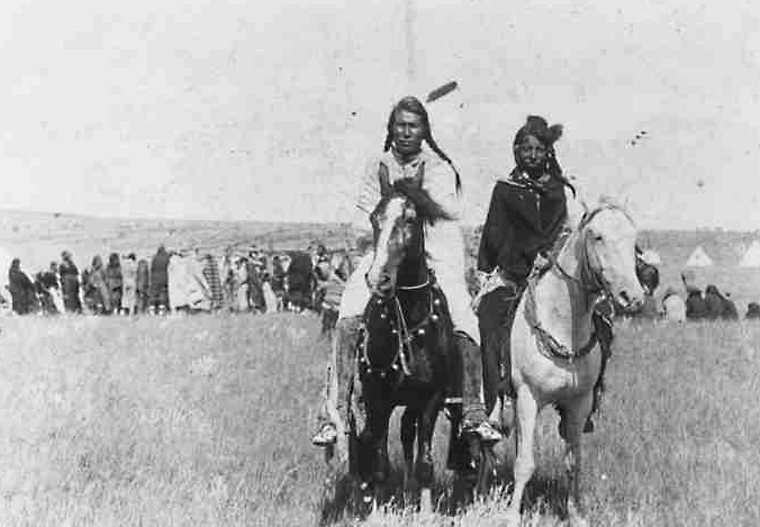
The Indigenous peoples of Canada faced horrendous oppression. They were not treated like human beings. I have created a remix of many clips from videos and movies on residential schools to demonstrate the atrocities. Unfortunately I cannot post it due to copyright. Please refer to the video for reference.
Xavier, Elijah, and Niska experienced great hardships in, and after the residential schools. The residential schools dehumanized the children, Xavier was forced to row a much older and larger lady across a river because she was a nun at his residential school. He was not seen as a human, but rather a slave. “He was a small boy, and her weight was great enough that the canoe did not lie level on the water, but he tried hard as he could to take her to the places she pointed at…. when he rested she would turn around and smack him hard on the head with her paddle”. (Boyden 217,218)
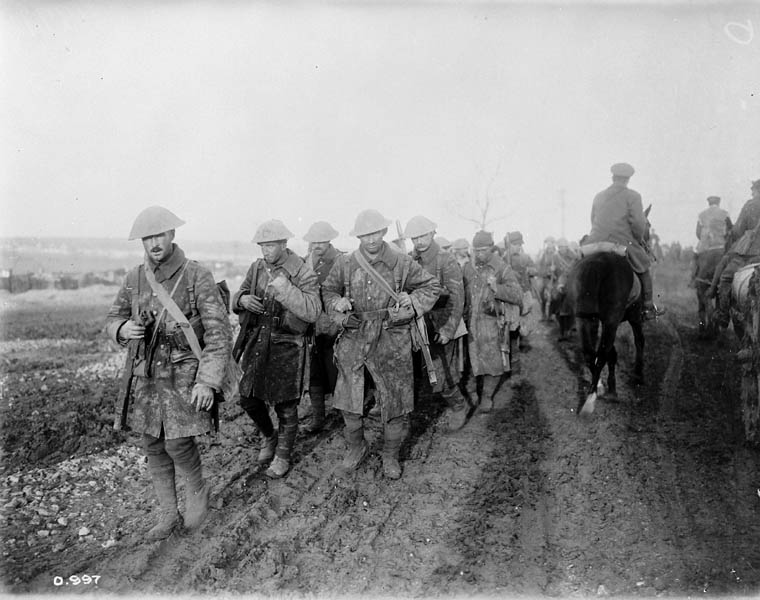
Sadly, the oppression did not stop once Elijah and Xavier went to war. They were ridiculed for their culture. One would only think that once they see Elijah and Xavier are only there to help the Canadians that they would stop, but that was not the case. They continued to be viewed as outsiders, untrustworthy, and worthless. This is a podcast I created, in which I discuss the oppression of Indigenous people during the First World War, in reference to Three Day Road.
As I began to further analyze the novel through postcolonial criticism, I noticed a pattern with Elijah. His character development came in such a way that it was certainly all driven by the trauma he experienced in the residential school.
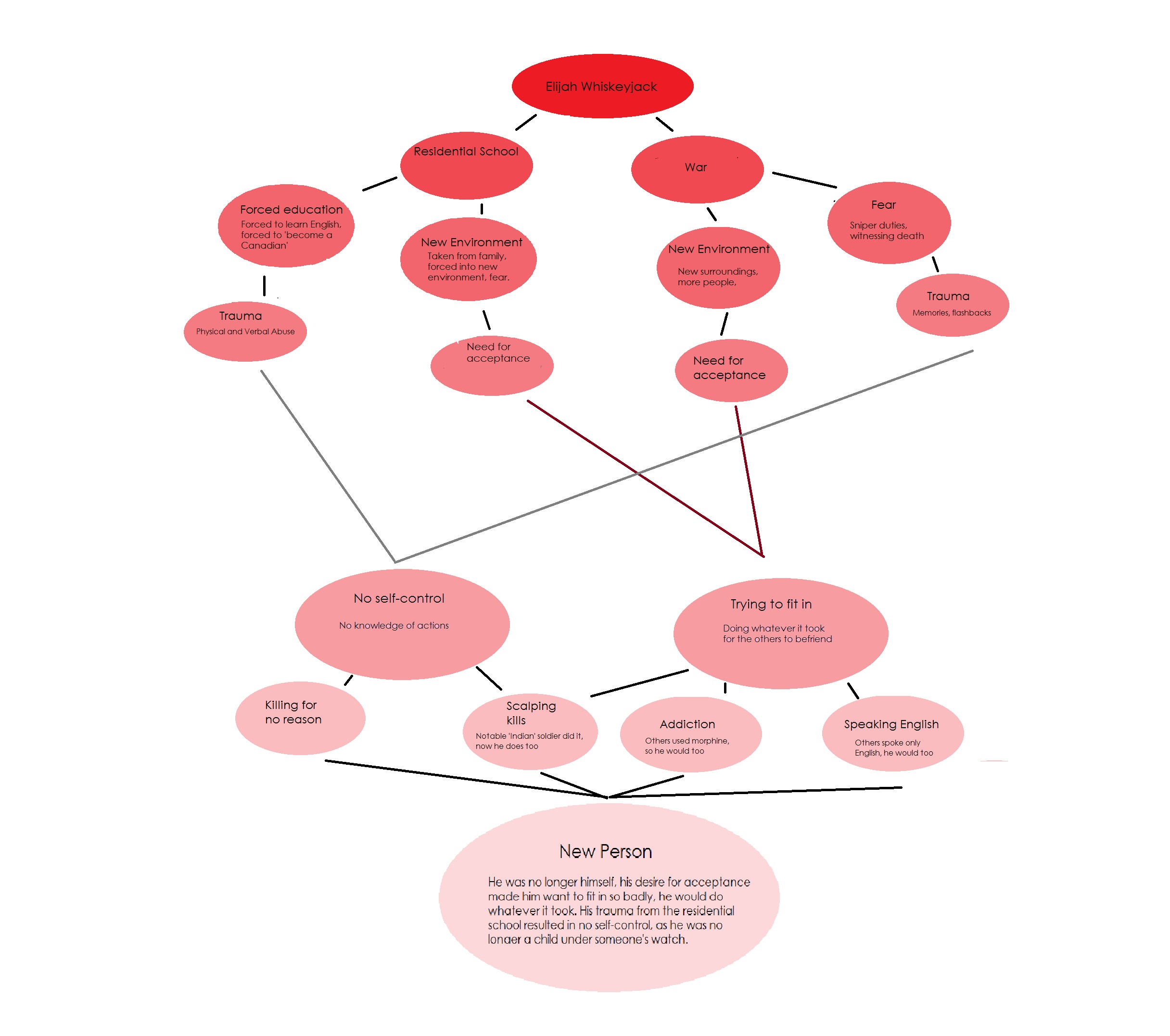
Elijah experienced such a debilitating identity crisis. He longed so desperately for the acceptance of his peers. He did whatever it took to be noticed, to receive praise. It is almost as if he is trying to keep his cultural identity, but form a new identity to satisfy the world he is in. He has subconsciously determined that the world he lives in, was not made for him and he must adjust as he sees fit.

The most significant revelation I came upon while analyzing the novel through the postcolonial theory, was the distinct differences in the Indigenous and Canadian culture. The different cultures allowed for the children to develop their unique identities, in different ways. Understandably, the novel was set in the early 1900s when Canada was not as diverse as we are today, but there were still extreme differences I noted. In my blog post titled ‘The differences between Indigenous and Canadian Culture: Three Day Road by Joseph Boyden Reflection‘, I analyzed what I found to be the differences that made the book.
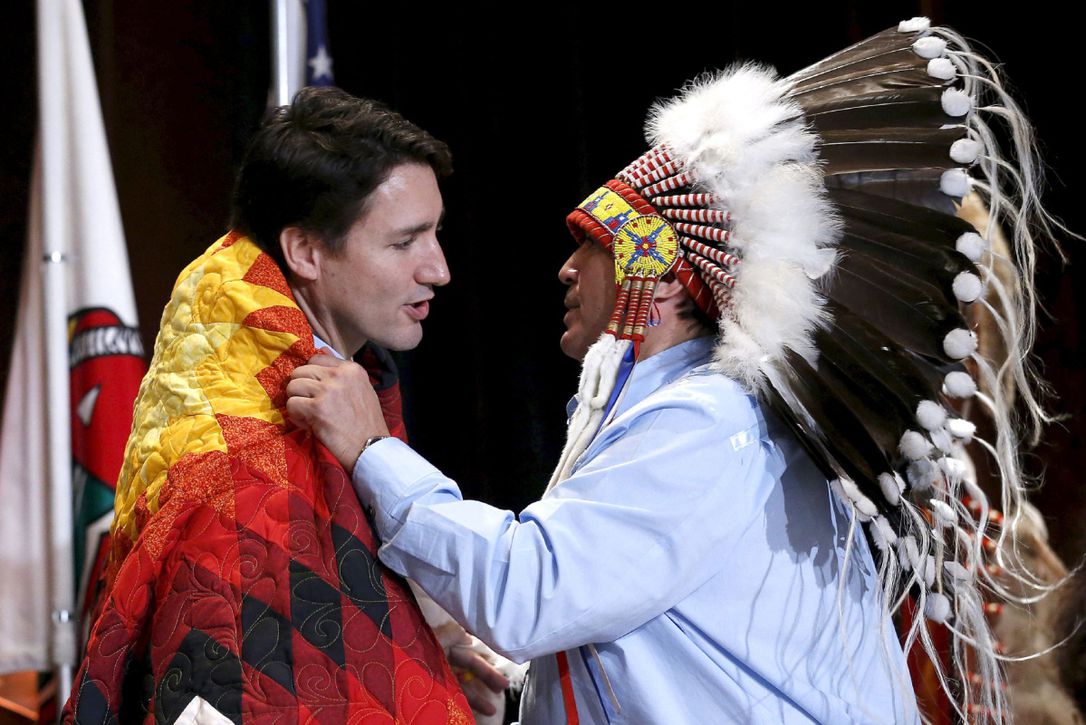
Here is a little prompt, ” Their identities are shaped based on these connections they develop with their parents and elders. Xavier was raised by his aunt Niska and she taught him everything she knew, which was taught to her by her elders. This led to Xavier using these skills and this knowledge during the war, which helped him considerably. He was a highly skilled sniper, had very good tactical skills, and used all of what was taught to him to save his life and the lives of others. He knew about the windigo, and once Elijah started exhibiting symptoms, he knew what he had to do. “
The novel Three Day Road documents the harsh oppression of Indigenous peoples in Canada. Elijah’s bizarre character development is a result of the traumatic experiences had in the residential schools. While the novel does not directly focus on residential schooling, it is clear that Boyden is trying to express how it changes the course of a person’s life. My hope is that this portfolio, alongside my other 2 posts regarding the novel, will shed light on the horrors of residential schooling, and the oppression of Indigenous peoples in Canada.

As I reflect upon the novel before ending this post, my mind keeps drifting to how the circumstances of the novel are similar to a current event in our society, the hundreds of thousands of migrants in immigration detention in the United States. As I wonder how life in a residential school really was, I truly cannot imagine that it is that much different to how the children in those detention centers are being treated. Certainly there are many, many differences but in reality, they are truly very similar.

Source: Boyden, Joseph. Three Day Road. Toronto: Penguin Canada, 2005. Print.
 Elle's Tells