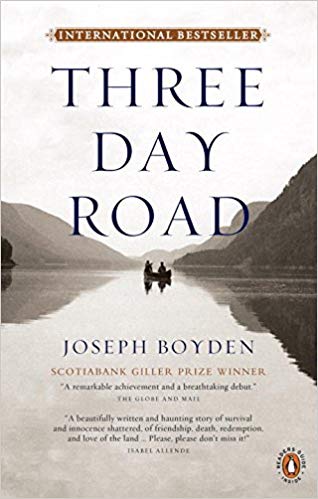
While reading Three Day Road by Joseph Boyden, I observed great differences between the Indigenous culture, and the Canadian culture. Evidently these two cultures are very different, as they have come from different parts of the world and different backgrounds. The Indigenous culture is that of the first inhabitants of Canada, while the Canadian culture is heavily influenced by European culture. The novel Three Day Road by Joseph Boyden describes many aspects of the Indigenous culture and they are all but similar to the Canadian culture. The most noticeable difference was that of the cultural psychology.
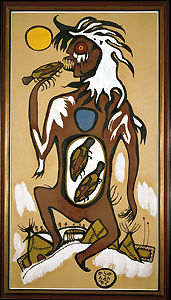
The first, and biggest, difference I noted was the windigo. In the Indigenous culture, the windigo is a supernatural power that controls a person and turns them into a cannibal. In the fourth chapter of the novel, Niska introduces the windigo. She tells Xavier the story of one of the families in her clan, when she was a child. They were experiencing a shortage of animals to hunt, and one of the families took a drastic turn. The husband Micah decided to leave the land, taking his family with him, but tragedy struck and Micah died. His wife cut up her dead husband and ate him, feeding him to their baby as well.
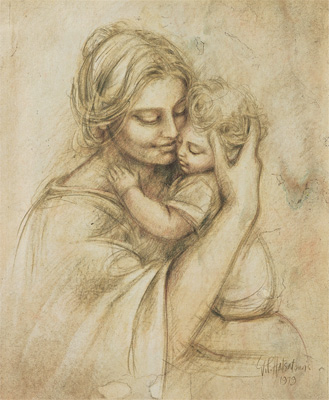
After the elders found out, another mother offered to breastfeed the baby, and when she went to remove the baby, it bit her-refusing to let go. Micah’s wife and baby were turning windigo. The wife claimed that a man-beast forced her to feed on her husband. Niska’s father was forced to kill the wife and baby, as he was a windigo killer. If this were to have happened in the Canadian culture, it would be seen as a psychiatric condition. The mother was driven by her malnourished mind to do what she thought would save her and her baby.
The next cultural difference I observed was that of family relations/connections. Certainly every culture has their respective social habits and ‘way of life’, but the differences between the Indigenous and Canadian culture are significant. The Indigenous culture is very family based, everything the children know has been taught to them by their parents, or closest elders.
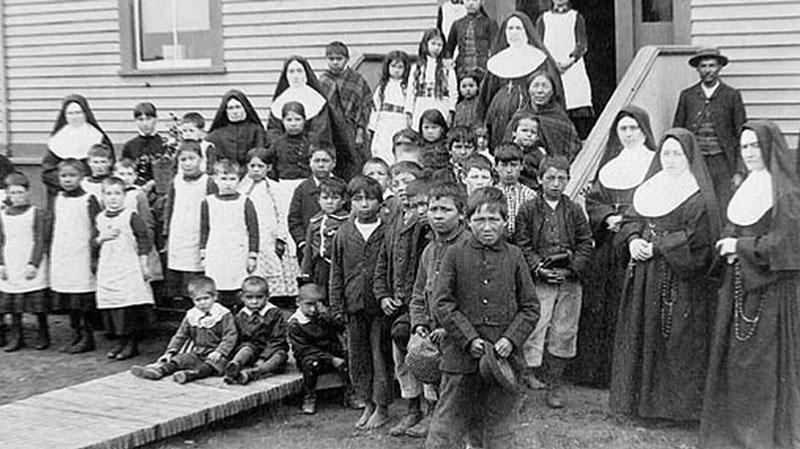
Niska and Xavier were both freed from the horrors of residential schooling when their family members broke out. Niska was freed by her mother, and she went on to free Xavier. Upon their return to home, they both continued to learn the ‘ways of the bush’ from their elders. This is undoubtedly significantly different to that of the Canadian culture. It is customary for all children to school, be taught a set curriculum, and be taught by their families as well. Back in the early 1900s, when Three Day Road was set, most Indigenous children were either forced to be in residential schools, or lived on their reserves and learned the traditional way.
With the way that these Indigenous children are taught by their parents and elders, they develop strong connections to family. Their identities are shaped based on these connections they develop with their parents and elders. Xavier was raised by his aunt Niska and she taught him everything she knew, which was taught to her by her elders. This led to Xavier using these skills and this knowledge during the war, which helped him considerably. He was a highly skilled sniper, had very good tactical skills, and used all of what was taught to him to save his life and the lives of others. He knew about the windigo, and once Elijah started exhibiting symptoms, he knew what he had to do.
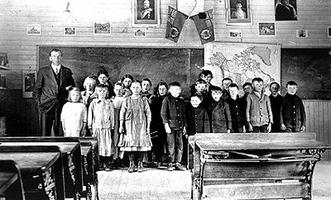
Certainly not to say that the Canadian culture did not offer children the same chance of developing their identities, but public schooling is not the same as being taught in a traditional way which has been used since the beginning of time. Canada’s schooling system has changed drastically. With the Canadian schooling system changes, each generation was taught in a different way, and that did not allow for the same growth of character and identity as the continuous ways of the Indigenous culture.
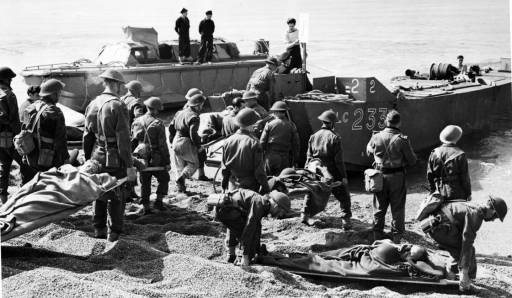
The unique identities of either culture are expressed greatly in the novel through the wartime flashbacks. It is clear that Xavier’s actions are based strongly off of the lessons he was taught by Niska. He notices many things that others don’t. He notices Elijah’s worrisome tendencies. He realizes that Elijah becomes a windigo, and he knows what he must do. He loves Elijah dearly, they are brothers, but he knows that he must kill him as it has gotten out of control. Had he not been taught all of these life lessons by Niska, had he been stuck in the residential school like Elijah, he would not have known how catastrophic the conditions were getting.
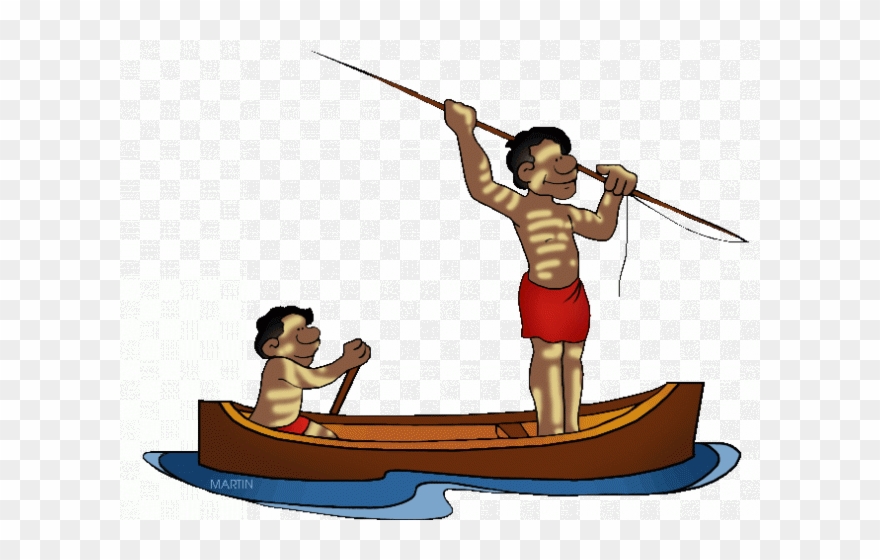
Xavier learned everything he knew, because his aunt taught him everything she learned, and she learned from her mom. The Indigenous culture is unique in that the identities that the children form, are very similar to that of their parents. For them, it’s only natural for a child to do what their parent did. Niska’s father was a windigo killer, therefore she became a windigo killer. The closest thing to a son that she had was Xavier, and he went on to become a windigo killer. They follow paths that are set for them, but they also build their own routes along the way.
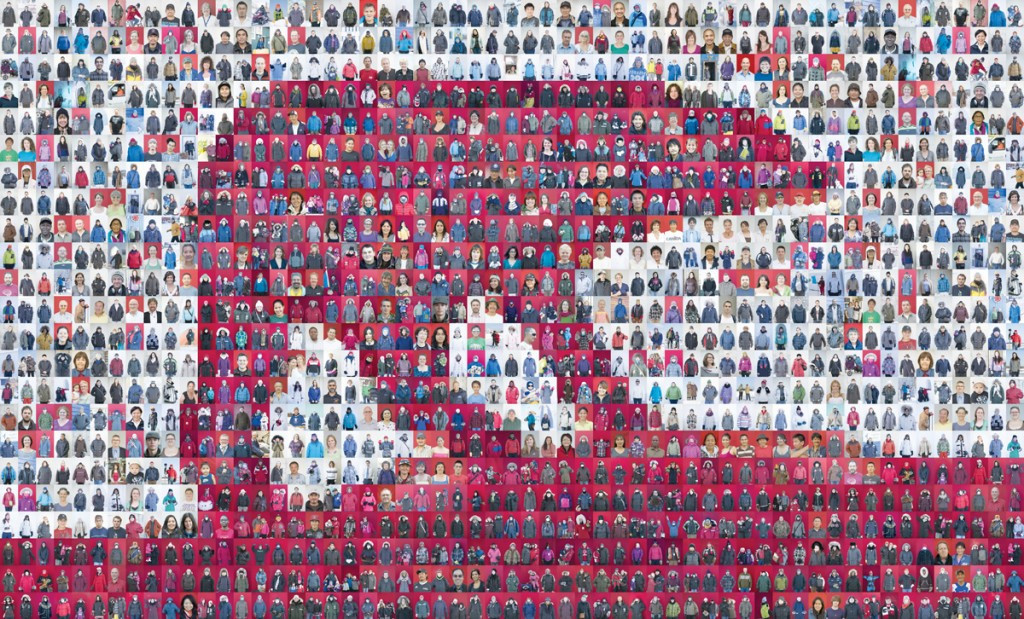
Canada is now known as a very diverse country. Many people use the term ‘cultural mosaic’, Canada is filled will many different ethnicities, cultures, and languages. Part of Canada’s cultural mosaic, is the Indigenous culture. When reflecting on Three Day Road, I had to think about how the early 1900s was so different to our present time. Back then, when the novel takes place, the Canadian and Indigenous cultures were very different. Now, the Indigenous culture is part of the Canadian culture. The Canadian culture is no longer solely European. We embrace all ethnicities, cultures, and languages.

Source: Boyden, Joseph. Three Day Road. Toronto: Penguin Canada, 2005. Print.
 Elle's Tells